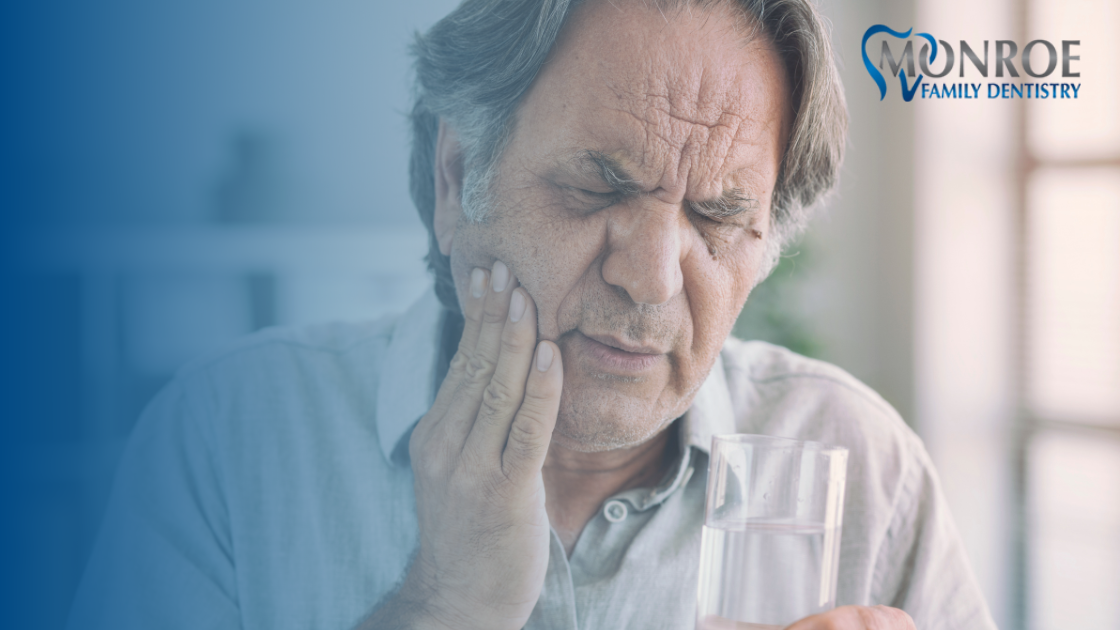




A throbbing toothache usually starts at the worst possible time. It may start in the middle of the night when you have no other remedy in your medicine cabinet except Tylenol. Even though Tylenol helps you relieve mild pain, its effectiveness depends on the overall root cause of the pain.
Tylenol works for mild to moderate pain for most people. However, for an active infection or extreme tooth pain it may not subside with Tylenol only. Understanding the cause of your tooth pain is very important and can be helpful for you when deciding what methods can be employed for relief.
When Tylenol Can Help Tooth Pain
Tylenol, also known by its generic name acetaminophen, helps reduce pain by giving signals to the brain and reducing very mild inflammation. However, for people with more severe pain caused by a dental issue, this medicine may not fully stop the pain, but can help you reduce pain for a couple of hours.
Acetaminophen works best to reduce pain associated with the following conditions:
- Early stage tooth decay
- Mild gum inflammation
- Mild pain after a dental procedure
- For temporary pain that doesn’t cause swelling
This over-the-counter pain reliever/fever-reducer can not be used to prevent the worsening of a dental abscess. It will not slow down the deterioration of a fractured tooth or cavity, and it does not work well to reduce swelling that is already too high.
What Tylenol Won’t Do
Assuming that the pain you’re experiencing is severe, throbbing, extending to the jaw or ear, or that it is accompanied by swelling, fever, or difficulty swallowing, then these are symptoms of a problem that has become too large to be dealt with by most any OTC medication. These symptoms are typically a sign of an infection that has likely spread deep into the tooth’s root or even surrounding gum tissue. If you’re experiencing the symptoms we’ve mentioned here, you will surely require professional treatment rather than a simple increase in acetaminophen dosage.
The National Institutes of Health notes that acetaminophen may be used to treat mild to moderate pain but cannot be used as an alternative to other treatments.
Tylenol vs. Ibuprofen for Dental Pain
Almost all dental pain is associated with both pain and inflammation caused by a cracked tooth, infected nerve, or a cavity that has decayed far enough into the pulp. While Acetaminophen serves to block these pain signals, reducing swelling, and major inflammation may require the active ingredient found in brand names like Advil, which is Ibuprofen.

When To Take Ibuprofen Over Acetaminophen
Ibuprofen, which targets all 3 problems, pain, swelling, and inflammation directly, may be a better remedy for eliminating persistent pain, which is why most dentists tend to recommend it over Tylenol for the treatment of tooth pain.
When To Take Acetaminophen Over Ibuprofen
Although Tylenol may not reduce all 3, it still has a real place in the tooth pain reliever conversation as an alternative to Ibuprofen. Those who are taking medications that are used to prevent or lessen blood clots have a good reason to avoid using NSAIDs. In such patients, acetaminophen can be a safer option, even though it happens to be less effective at reducing inflammation specifically.
Medicine Mix Tip: It is sometimes advised that you alternate between Tylenol and Ibuprofen every several hours to manage a severe toothache at home. Check with your dentist, or a qualified dental professional to see if this approach is right for you.
Home Remedies for Tooth Pain
Saltwater Rinses: As an option for very mild tooth pain, saltwater rinses are a simple but effective solution. You can use 4 oz. of warm water in which you add half a teaspoon of salt, stir and swish primarily in the sore area to help reduce the number of bacteria and calm gum tissue that is irritated.
Saltwater rinses can not cure the root cause of issues related to tooth decay, or any other type of infection but may help reduce pain in the sore area.
Clove Oil Application: People either believe in it completely or just have yet to experiment with this tooth pain home remedy. Apply clove oil to a cotton ball and place it in the area where you are experiencing tooth pain. This anesthetic, antimicrobial, and anti-inflammatory oil compound temporarily numbs the area in some cases even as effectively as OTC numbing gels.
Positional Therapy: Sleeping in a raised, 45 to 60 degree position may also offer some relief for discomfort. You should maintain a flat position for the rest of your body but raise your head to keep the blood pooled around the sore point which pushes up the pressure and the throbbing.
Monroe, NC Dentist For Tooth Pain & Infection
If you’ve been experiencing recurring pain that is mild to severe and does not go away after a day or two of using OTC medicine like Tylenol or Ibuprofen, you should take the next step to contact a dentist to find and treat the root cause.
Tooth pain does not disappear on its own. Cavities that are untreated will worsen and infection that isn’t stopped will eventually spread. This is why putting off treatment usually results in more costly treatment options.
Reach out to Monroe Family Dentistry. We treat patients who present with dental pain and infection. Make an appointment or call us during regular business hours for emergency treatment and possible same day appointment scheduling.
Request An Appointment