


An implant in the mouth must be stable, comfortable, and even easy to trust. Once the gum tissue surrounding it begins to appear angry, however, that confidence may be lost in a very short time. Peri-implantitis is an inflammatory disease which occurs around and in the tissue and bone which supports an implant. Simply put, it is an infection-based issue that begins at the gums and, when neglected, can cause bone loss around the implant. And this is precisely the reason why early attention is important.
Early Signs
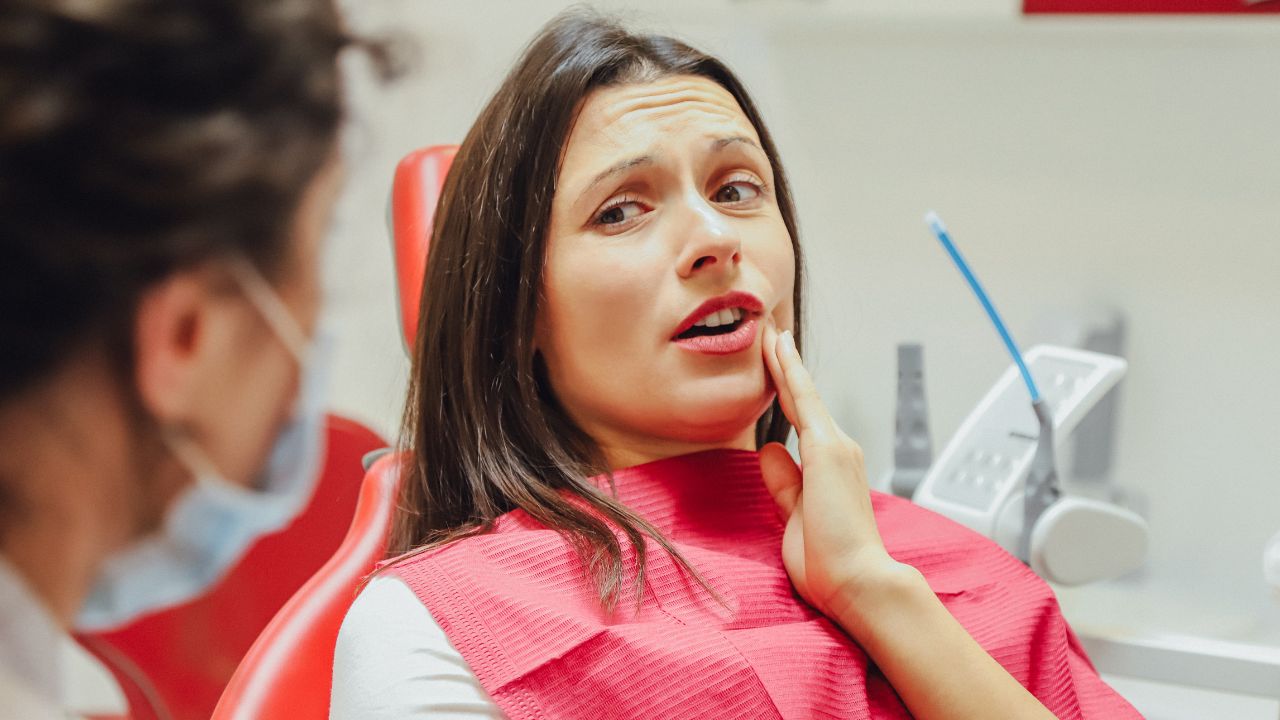
Most patients are not aware of peri-implantitis immediately. Rather, it can start with the slightest changes, which are often ignored or missed. The gums near the implant can appear glaringly red than normal, softer to the touch, or even bleed during flossing or brushing. In other instances, swelling exists, bad taste, or mild discomfort during chewing. With the worsening of the condition, the pockets can develop deeper around the implant, pus can likely appear, and the region can start losing the bones that hold an implant in place.
Is It That Urgent?
The most common question posed by many patients is, Is peri-implantitis an emergency? Not all of the cases are same-day emergency cases, although it must never be taken lightly. Bleeding, swelling, or soreness around an implant will not lead one to run to the office that minute, but neglecting a patient can enable the damage to spread silently. Check quickly if the implant feels loose, if the gum is draining, if there is a sharp throbbing pain. Those are usually the signs you should go to your nearest dentist.
What Causes It?
When patients inquire about the causes of peri-implantitis, the response often begins with the accumulation of bacteria. Plaque can form around an implant just like it does around your natural teeth. In case such inflammation persists in the soft tissue, it can start as peri-implant mucositis. Peri-implant mucositis can be reversible. However, when bone loss occurs, it progresses to peri-implantitis, which becomes more complex to manage. Risk is increased by smoking, poorly regulated diabetes, a history of periodontal disease, and poor management of plaque. The placement of implants, the forces on the bite, or the design of the prosthetics can also play a role in certain cases.
How It’s Treated
The treatment is based on the early detection of the condition. The initial objective in milder cases is the alleviation of inflammation and bacterial accumulation by means of professional cleaning in the area of the implant, enhanced home care, and risk factor management. And that is all it takes, sometimes, to halt it half-way. Higher stages can be treated with surgery in order to reach the infected site, clean the area, and treat the lost bone or damaged tissues. The precise plan must correspond to the extent of bone loss, the medical history of the patient, and the condition of the implant itself.
Long Term Care
Maintenance is important even following treatment. Dental implants in Monroe, NC, can serve patients beautifully for years, but they aren’t maintenance-free! Frequent visits to the recalls, brushing, flossing, or using other implant hygiene tools, and checking bleeding or changes in the pockets will all help immensely. The supportive maintenance is not an additional step. It is one of the long-term maintenance of the implant.
When To Call
When an implant bleeds, pains, or appears to be different than it was several months ago, this is worth attention. A highly qualified dentist in Monroe, NC, is able to identify whether the problem is mere irritation, early mucositis, or actual peri-implantitis. Monroe Family Dentistry is a high-tech dental facility in Monroe, providing dental implant services to the local community and, therefore, making it a suitable choice for those with anxiety about implants. Early treatment means better care for your implants.
Request An Appointment